
Slips, Trips and Falls – A Simple Guideline
|
In our exploration of workplace safety, it's evident that slip and trip hazards often go overlooked. However, these seemingly minor risks can have major consequences, both in terms of human suffering and financial impact. Slips, trips, and falls incidents constitute a substantial portion of the annual workload for the workforce. However, these statistics likely represent merely a fraction of the true number of incidents, as many remain unreported. To combat this alarming trend, it's crucial to equip yourself and your team with the knowledge and strategies needed to identify and mitigate slip and trip hazards effectively.
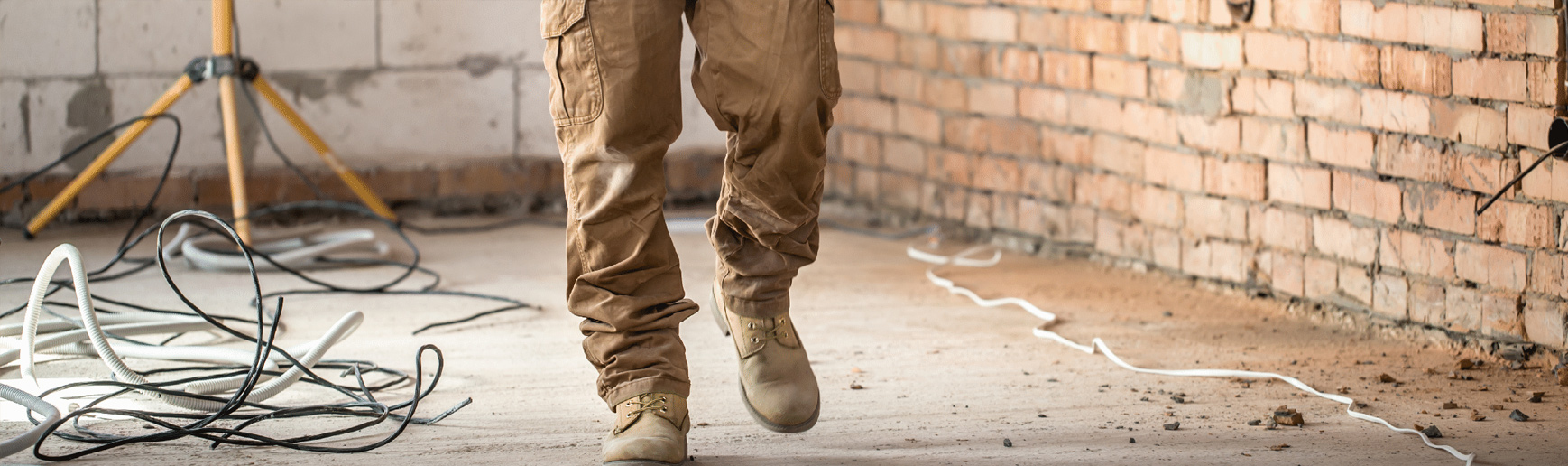
FREE TOOLBOX TALK - CLICK HERE TO DOWNLOADTrip hazards are ubiquitous and often hiding in plain sight—whether it's the curled edge of a mat, a tangled mess of cables, or cluttered walkways. These hazards pose serious risks to the well-being and productivity of your team. Examples of trip hazards are abundant, ranging from uneven flooring to obstructive cables and sudden changes in floor level. But how can we address them proactively? One approach is hazard removal. By clearing walkways of obstructions and promptly disposing of waste, you significantly reduce the likelihood of trips. Alternatively, if removal isn't feasible, consider relocating or repairing the hazard to minimize risks. Additionally, increasing hazard visibility through signage or contrasting colors empowers individuals to navigate spaces safely and avoid potential accidents. Slip hazards present a different set of challenges, often stemming from wet floors, slippery surfaces, or leakages. These hazards are particularly prevalent during inclement weather or cleaning activities. Preventive measures are key to managing slip hazards effectively. Implementing entrance mats, establishing footwear policies, and adhering to ice clearance protocols can substantially reduce the risk of slips. Moreover, prompt hazard removal is essential. Spills, leaks, and wet surfaces require immediate attention and remediation to prevent accidents. For hazards that persist during activities like mopping or dusting, clear communication and hazard signage are indispensable. By alerting individuals to potential risks, you mitigate the chance of inadvertent slips and uphold workplace safety standards. In conclusion, prioritizing the identification and mitigation of slip and trip hazards is essential for cultivating a safe and productive work environment. By taking proactive measures to address these risks, you demonstrate your commitment to the well-being of your team and the success of your organization. Remember, workplace safety is a shared responsibility. Encourage open communication and ongoing training to ensure that everyone is equipped to identify and address slip and trip hazards effectively. Together, we can create a workplace where safety is paramount and accidents are minimized. For more information on how Zenith Safety Consultants can help your business, please contact us at This email address is being protected from spambots. You need JavaScript enabled to view it. or call 021 010 0209.
|

 Talk to us!
