Zenith Safety Consultants Services

We help you by identifying and eliminating workplace dangers before they cause injury or illness!
Health & Safety Management Systems
Implementing health and safety management systems has several advantages...
Health & Safety Consulting
Our health and safety consulting services are one-of-a-kind in the industry
Health & Safety Files
Zenith Safety Consultants offers a fully tailored site-specific Safety File according to the client's site safety requirements.
Audits and Monitoring
The Safety audits offered by Zenith Safety Consultants are designed to help you and your company through the most recent developments in best practices.

Hazards Associated with Excavations & The Control Measures

Excavation work is an essential part of many construction projects, but it can also be hazardous if not done correctly. In South Africa, construction regulations are in place to ensure that excavation work is carried out safely. This blog will cover the hazards associated with excavations, the control measures, and the regulations in South Africa. 


Spontaneous combustion chemicals and why you need to read the chemical MSDS

Excavation Definition
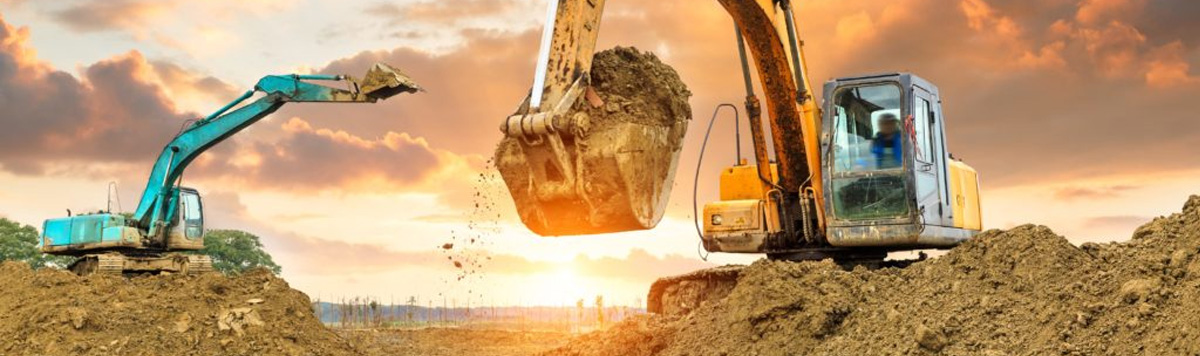
Excavation is the process of removing soil or rock from a site to create a hole or cavity. This can be done manually or using heavy machinery, such as backhoes, excavators, or bulldozers. Excavation work can be done above or below ground level.

What is Trench Excavation?

Trench excavation is a type of excavation that involves digging a long and narrow hole in the ground. This type of excavation is usually used to lay pipelines, cables, or underground utilities. Trenches can be shallow or deep, depending on the project's requirements.What is Shoring Excavation?Shoring is a type of excavation support that involves the use of braces, walls, or other structures to prevent the sides of an excavation from collapsing. This is especially important for deeper excavations or those in unstable soil.

 
Types of Excavation
• There are different types of excavation, including:
• Topsoil excavation: The removal of the top layer of soil to expose the underlying rock or soil.
• Rock excavation: The removal of solid rock using drills and explosives.
• Earth excavation: The removal of soil or loose rock.

Trenching is a type of excavation that involves the creation of a long and narrow hole or trench. Trenches are typically deeper than they are wide and are often used to lay underground utilities, pipelines, or cables.Excavating, on the other hand, is a broader term that refers to the process of removing soil or rock from a site to create a hole or cavity.

Excavation can include various types of work, such as digging foundations, creating basements, or preparing building sites.While trenching is a type of excavation, not all excavation work involves trenching. Trenching is a specific type of excavation that requires unique safety precautions, such as shoring or other support systems, due to the narrowness and depth of the trench.

Precautions and Control Measures for Excavations

To ensure excavation work is carried out safely, the following precautions and control measures must be taken: 

Planning and preparation: 
Before excavation work begins, a thorough site assessment must be carried out. This includes identifying potential hazards, marking and identifying underground utilities, and developing a safety plan, and should consult whether a Geotech report is required.Do I Need a Geotechnical Report for Building Construction?Nearly all projects when permit applications are submitted require geotechnical reports for building construction.

The components of a typical geotechnical report must be examined will depend on the type of anticipated project (what is being built). Projects for single-family homes might not require certain components that would be required for high-rise construction. A more thorough examination will be necessary for large-scale construction or for sites with difficult characteristics. The main geotechnical engineer on the project must approve, sign, and seal the geotechnical report for building construction.

Protective systems: 
Protective systems must be implemented to prevent cave-ins. This can include shoring, which involves installing support structures such as timber, steel, or hydraulic jacks, to prevent the excavation walls from collapsing. Sloping may also be considered, and one can refer to Engineers instruction / report related to the soil as to what type of system must be used.

Personal protective equipment: 
Workers must wear personal protective equipment (PPE) to prevent injuries from falling objects, such as hard hats and safety boots.

Training and education: 
Workers must receive training and education on excavation safety, including proper techniques for digging and safe work practices.

Inspection and maintenance:
Excavation sites must be inspected daily, and any hazards identified must be corrected before work continues. Equipment must be properly maintained to ensure it is in good working condition and safe to use by having Inspections by a competent, appointed excavation supervisor who must declare the scaffold safe to use prior. Excavations must also be inspected after adverse weather conditions.

Top 5 Excavation Safety Hazards

  1. Cave-ins: This is the most significant hazard associated with excavations. A cave-in occurs when the walls of the excavation collapse, burying workers in the process.
  2. Falls: Workers may fall into the excavation or from the excavation, especially if the excavation is deep.
  3. Falling objects: Tools, rocks, or other debris may fall into the excavation, injuring workers.
  4. Underground utilities: If underground utilities are not identified and marked correctly, workers may accidentally strike them, causing a dangerous situation.
  5. Soil instability: The soil around the excavation can be unstable and prone to collapse. This can occur due to changes in weather conditions, the weight of equipment, or vibrations caused by nearby traffic.