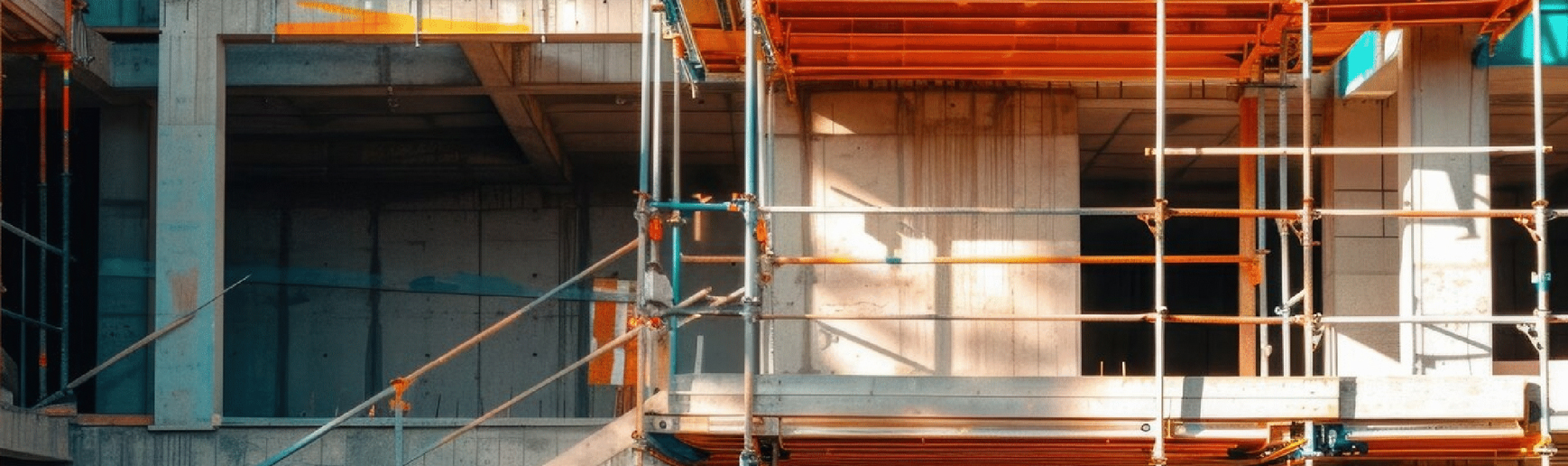
Construction Regulation 16: Scaffolding
Scaffolding is indispensable for construction work at heights, but improper use can lead to accidents. Section 16 of the Construction Regulations, 2014, specifically deals with the safe installation, use, and maintenance of scaffolding, and it mandates strict adherence to safety standards.
Key Requirements under Regulation 16:
- Competent Supervision (16(1)): A contractor must appoint a competent person in writing to supervise all scaffolding operations. This person ensures that scaffold erectors, team leaders, and inspectors are fully trained and qualified for their roles. Ongoing supervision is necessary to ensure scaffolding remains safe throughout the project.
- Safety Compliance (16(2)): Access scaffolding must comply with the safety standards set forth under Section 44 of the Occupational Health and Safety Act (OHSA), ensuring that scaffolding is structurally stable during use.
SANS 10085 Compliance
In addition to the regulations outlined in the Construction Regulations, scaffolding must also meet the standards outlined in SANS 10085. This standard provides comprehensive guidelines to ensure the safe installation and operation of scaffolding systems.
- Communication and Supervisory Skills: Effective communication and strong supervisory skills are essential for scaffolding operations. The standard stresses the importance of clear communication within teams and with stakeholders, ensuring tasks are executed safely and efficiently.
- Erecting and Dismantling Scaffolding: SANS 10085 provides detailed guidance on the safe erection and dismantling of scaffolding. Only trained and certified personnel should carry out these tasks to ensure the safety of everyone involved.
- Inspection Protocols: Scaffold inspections must be thorough and regular, focusing on factors such as the structural integrity of the scaffold, the suitability of the materials used, and the proper installation of safety features like guardrails and toe boards.
- Risk Assessment: The standard highlights the importance of conducting a detailed risk assessment before beginning scaffolding work. This process identifies potential hazards and ensures that safety measures are in place to mitigate these risks.
Scaffold Certifications and Competence
Certification plays a crucial role in ensuring scaffolding work is performed safely. Contractors must ensure their staff have the necessary certifications to meet legal and safety requirements, including scaffolding inspection, erection, and working at heights certifications.
Construction Regulation 17: Suspended Platforms
Suspended platforms are often the preferred choice for tasks at extreme heights, such as facade maintenance and high-rise installations. However, these platforms present unique safety challenges that must be managed with care. Regulation 17 outlines the requirements for their safe operation.
Key Requirements under Regulation 17:
- Competent Supervision (17(1)): Just like scaffolding, contractors must appoint a competent person to supervise all suspended platform operations. This individual ensures that operators, erectors, and inspectors are qualified and well-trained.
- Design and Certification (17(2)): Suspended platforms must adhere to the safety standards outlined in the OHSA. A professional engineer must certify the platform’s design, ensuring it can support the intended loads safely.
- Certificate of System Design (17(2)(b)): A certificate from a qualified professional is required to verify that the platform meets structural and safety standards.
- Operational Compliance Plan (17(2)(c)): Contractors must develop an operational plan that includes design calculations, inspection procedures, and maintenance records. This plan must be submitted to the provincial director before platform use.
Critical Safety Measures for Suspended Platforms:
- Structural Integrity (17(5)): Outriggers must be designed with a safety factor of at least four, and they must have stop devices to prevent rope displacement.
- Load Management (17(7)): The platform must display notices indicating the maximum weight it can carry, as well as the maximum number of workers allowed on the platform at any time.
- Worker Safety (17(6)(c)): All workers on suspended platforms must wear body harnesses that are securely attached to the platform, minimizing the risk of falls.
- Daily Inspections (17(10)): Platforms must be inspected daily by a competent person to ensure all safety devices are functioning and the platform remains stable.
Ongoing Maintenance and Testing (17(8) and 17(9))
Regular maintenance and testing are crucial for keeping suspended platforms operational and safe.
- Routine Inspections (17(8)(a)): The platform must be inspected by a competent person according to the manufacturer’s specifications. Annual performance tests, using 110% of the rated load, must be carried out to ensure the system is still safe for use.
- Hoisting Equipment (17(9)): Hoisting ropes and load-attaching devices must undergo inspections at least every three months or before each use.
Training and Medical Fitness (17(12))
Workers using scaffolding or suspended platforms must be trained in the proper use of these systems and be medically fit for work at height.
- Medical Fitness: Workers must be certified as fit for fall-risk positions, ensuring they are physically capable of handling the demands of working at heights.
- Training Programs: Workers must undergo training that includes safe access and egress procedures, proper use of safety devices, and emergency procedures in case of system failure or an accident.
Legal and Financial Implications of Non-Compliance
Adhering to the regulations outlined in Sections 16 and 17 is not just about maintaining a safe environment; it’s about avoiding legal and financial risks.
- Legal Consequences: Non-compliance with safety regulations can result in legal action, including fines, work stoppages, and criminal charges in the event of accidents.
- Financial Impact: Contractors who fail to comply with scaffolding and suspended platform regulations may face costly project delays, legal fees, and the expense of replacing or repairing unsafe equipment.
- Reputational Damage: In addition to legal and financial risks, a contractor’s reputation can suffer if safety violations are discovered. This can lead to a loss of future business and public trust.
Why Compliance Matters
Falls from heights remain one of the leading causes of fatalities and injuries in construction. By adhering to the requirements of Construction Regulations 16 and 17, contractors can minimize these risks, protecting workers and avoiding legal and financial consequences.
The guidelines in these regulations, combined with certifications like SANS 10085, offer a comprehensive framework for safe scaffolding and suspended platform operations. Adopting best practices, conducting thorough inspections, and ensuring ongoing worker training will contribute to a safer, more efficient construction site.
By following these standards, you’re not just ticking off boxes—you’re investing in the well-being of your team and the success of your project.
ZSC helps you integrate safety into your project design, ensuring that all regulatory requirements are met, and your project proceeds without safety concerns. Contact us to learn how we can make your project safer and compliant from start to finish on 021 010 0209 or This email address is being protected from spambots. You need JavaScript enabled to view it.

 Talk to us!