Contractor Responsibilities:
Preventing Uncontrolled Collapse
Contractors are required to take all reasonably practicable steps to prevent the uncontrolled collapse of any new or existing structure or part thereof. This is particularly critical when a structure is in a temporary state of weakness or instability due to construction activities.
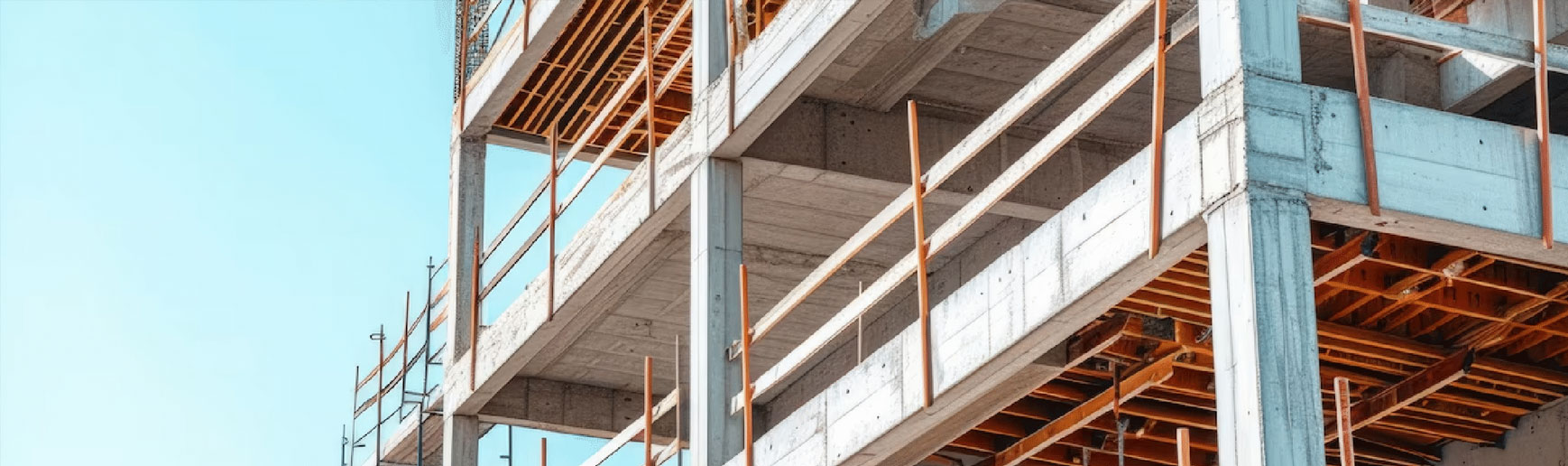
- During construction, risks of collapse can arise in various situations such as when demolition work is underway, during excavation, or when alterations are being made to a building. To mitigate these risks, contractors often use temporary supports like shoring, scaffolding, and props. These measures help stabilize structures during phases where their strength is compromised.
Safe Loading Practices
Another critical aspect of Construction Regulations 11 is ensuring that no structure or part of a structure is loaded in a manner that could render it unsafe. Overloading structural elements with heavy machinery, materials, or even workers in concentrated areas can compromise the stability of the structure.
- Contractors need to integrate load-bearing calculations into their planning and continually monitor loading conditions on-site. If a structure is subjected to an excessive load, it can result in structural failure, leading to severe accidents. Load-testing procedures are often conducted to ensure that the structure can safely bear the required weight during construction.
Availability of Design Drawings
Contractors are also required to ensure that all drawings pertaining to the design of the structure are kept on-site and made available upon request to an inspector, other contractors, the client, or the client’s agent.
- These design drawings are essential to the construction process, serving as a guide to ensure that the structure is being built according to its intended specifications. As-built drawings, which are updated to reflect any changes made during construction, are equally important for maintaining safety and compliance even after construction is completed.
Owner Responsibilities:
Once the construction phase is completed, the owner of the structure assumes responsibility for ensuring that the structure remains safe for continued use. Construction Regulations 11 sets out specific guidelines for ongoing inspections and maintenance.
Periodic Inspections
The regulation mandates that the structure undergoes regular inspections by competent persons to ensure its continued safety. Inspections must be carried out at least once every six months for the first two years after construction is completed and annually thereafter.
- Inspections are crucial for identifying potential risks like cracks, settling, corrosion, or other signs of structural weakness. Competent persons conducting these inspections should look for any issues that could affect the structure’s integrity and recommend necessary repairs.
Maintenance of the Structure
Owners must also ensure that the structure is properly maintained so that it remains safe for continued use. This involves not only addressing issues identified during inspections but also performing routine maintenance to keep the structure in good condition.
Records of Inspections and Maintenance
A key requirement for structure owners is maintaining detailed records of all inspections and maintenance activities. These records must be kept on file and made available to inspectors upon request. This documentation is critical for ensuring compliance with regulations and providing evidence that the structure is being adequately maintained over time.
Risk of Structural Collapse:
Preventing uncontrolled structural collapse during construction is of paramount importance. Structural failures due to poor planning, lack of support, or overloading have led to numerous accidents, both in South Africa and worldwide. In these cases, lives could have been saved if the proper safety regulations had been followed.
For example, structures undergoing demolition or excavation are particularly vulnerable. Temporary supports such as shoring, props, and scaffolding should be used to stabilize the building throughout each phase of construction.
Safe Loading Practices:
Improper loading of a structure can compromise its stability, especially during critical construction stages. Heavy machinery, concentrated loads of materials, or workers gathered in one area can all place excessive stress on a structure. To prevent this, engineers and site managers should collaborate on load-bearing calculations and ensure that load-testing procedures are conducted when necessary.
Regular monitoring and careful planning of load distribution help minimize the risk of structural failures caused by overloading.
Importance of Design Drawings:
Keeping design drawings on-site is a regulatory requirement, but it’s also a practical necessity for safe construction. These drawings guide the construction process, ensuring the structure is built according to approved specifications.
Design drawings also play an important role post-construction. As-built drawings reflect any modifications made during the building process and are crucial for future maintenance or alterations. Having these documents available ensures that the structure’s safety standards are adhered to throughout its lifecycle.
Periodic Inspections & Maintenance:
Regular inspections are crucial, especially for aging structures or those exposed to harsh environmental conditions. Competent persons conducting these inspections look for signs of cracking, corrosion, settling, or other issues that could compromise the building’s stability. Maintenance procedures might include tasks such as cleaning, repairs, and even replacing structural components when necessary to keep the building safe for occupants over time.
Records and Compliance:
Maintaining accurate records of inspections and maintenance is vital. These records provide evidence of compliance and help ensure that the structure remains safe for continued use. Making these documents available to clients, inspectors, and other stakeholders also creates a transparent and responsible approach to safety management.
By adhering to the requirements set out in Construction Regulations 11, contractors and owners can help ensure that structures are safe, stable, and compliant with legal safety standards. Regular inspections, careful planning, and strict compliance with the regulation can prevent accidents and create safer construction sites.
ZSC helps you integrate safety into your project design, ensuring that all regulatory requirements are met, and your project proceeds without safety concerns. Contact us to learn how we can make your project safer and compliant from start to finish on 021 010 0209 or This email address is being protected from spambots. You need JavaScript enabled to view it.

 Talk to us!